
What's the Deal With Corns & Calluses?
Corns and calluses are your skin's response to pressure and friction - and often a warning sign of a deeper foot problem. Here's why they form, why you shouldn't cut them yourself, and how a podiatrist treats them.
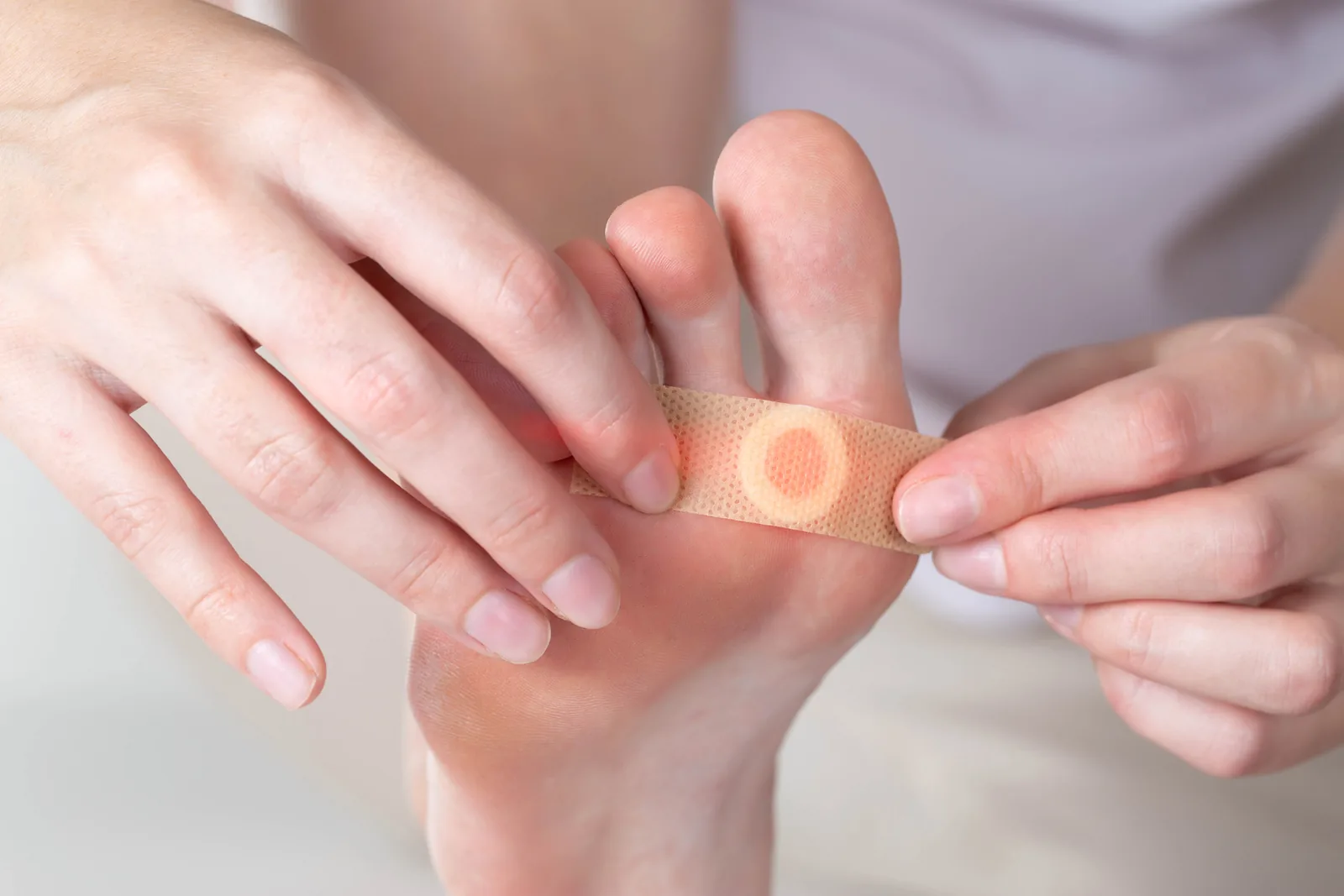
A corn or callus is thickened skin that forms in response to pressure or friction - it's your body protecting itself. But while the hard skin is the symptom you can see, it's usually a signal that something underneath is loading the foot unevenly. That's why the team at Bexley Podiatry treats the cause, not just the surface. Here's what corns and calluses are, and how we get lasting relief for patients across Bexley and the St George area.
What causes corns and calluses?
When pressure or friction concentrates on one area of the foot, the skin thickens to protect the tissue beneath. Spread over a wide area, that thickening is a callus. Concentrated into a small, deep point, it becomes a corn. Common drivers include:
- Ill-fitting or tight footwear, or high heels that push weight forward.
- A structural issue such as bunions or hammer toes that changes how you load the foot.
- The way you walk (your biomechanics) placing extra load on one spot.
- Loss of natural fatty padding, common with age.
They can be a warning sign
Because corns and calluses form where pressure is abnormal, they can be an early flag for deformity or a biomechanical problem. Treating the hard skin without addressing the cause means it simply comes back.
Why you shouldn't treat them yourself
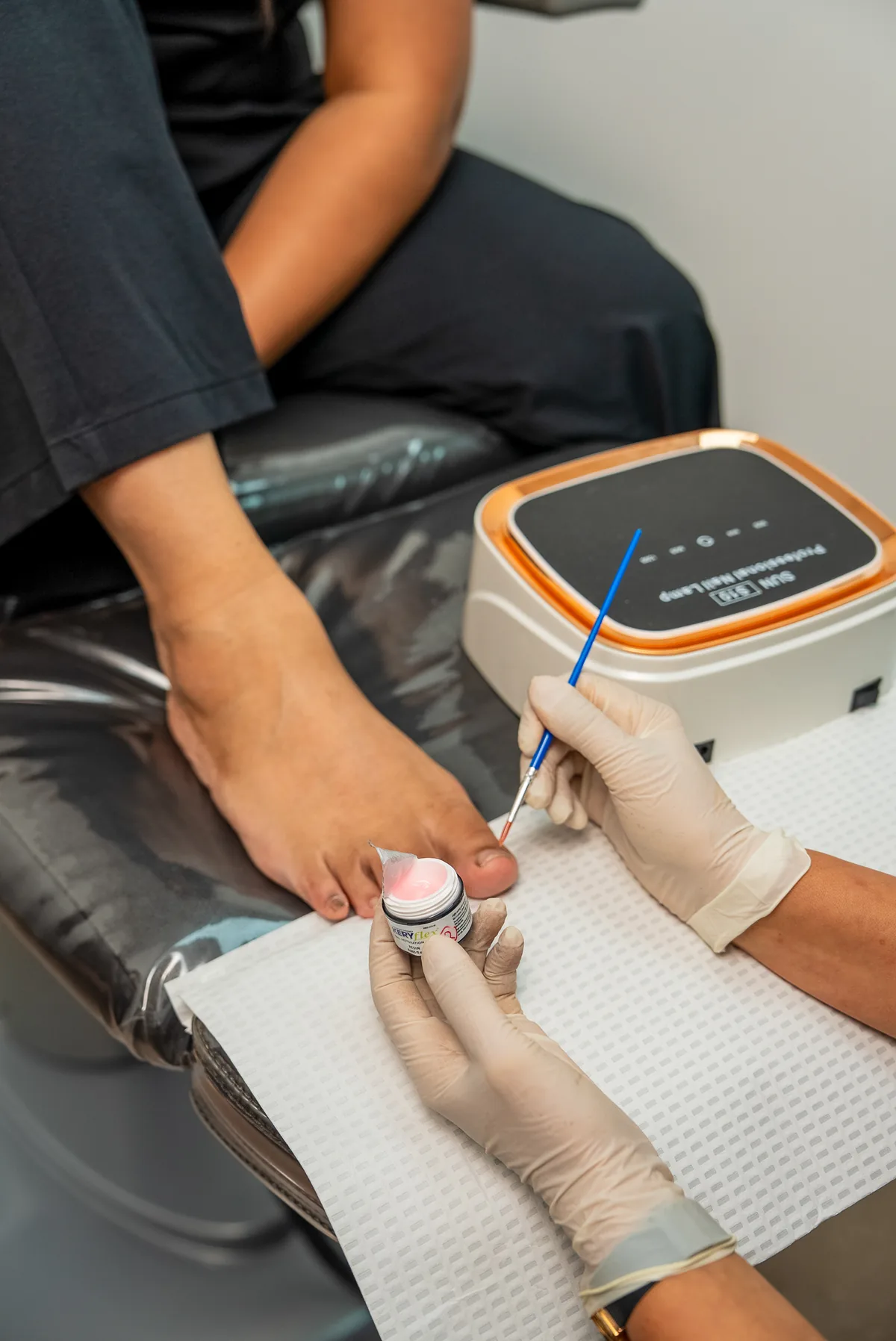
It's tempting to reach for a razor blade or a medicated corn plaster, but both are risky. Over-the-counter corn pads contain acid that can burn the healthy skin around the corn, and cutting hard skin yourself in a warm, enclosed shoe is an easy way to introduce infection.
This matters even more if you have diabetes or poor circulation - a small self-inflicted wound can become serious quickly. If that's you, please book a diabetic foot assessment rather than treating hard skin at home.
How a podiatrist treats corns and calluses
At the clinic, treatment is quick, painless and immediately comfortable. We:
- Painlessly debride (reduce) the hard skin and gently enucleate the centre of a corn.
- Offload the pressure with padding, strapping or soft silicone devices so it doesn't return.
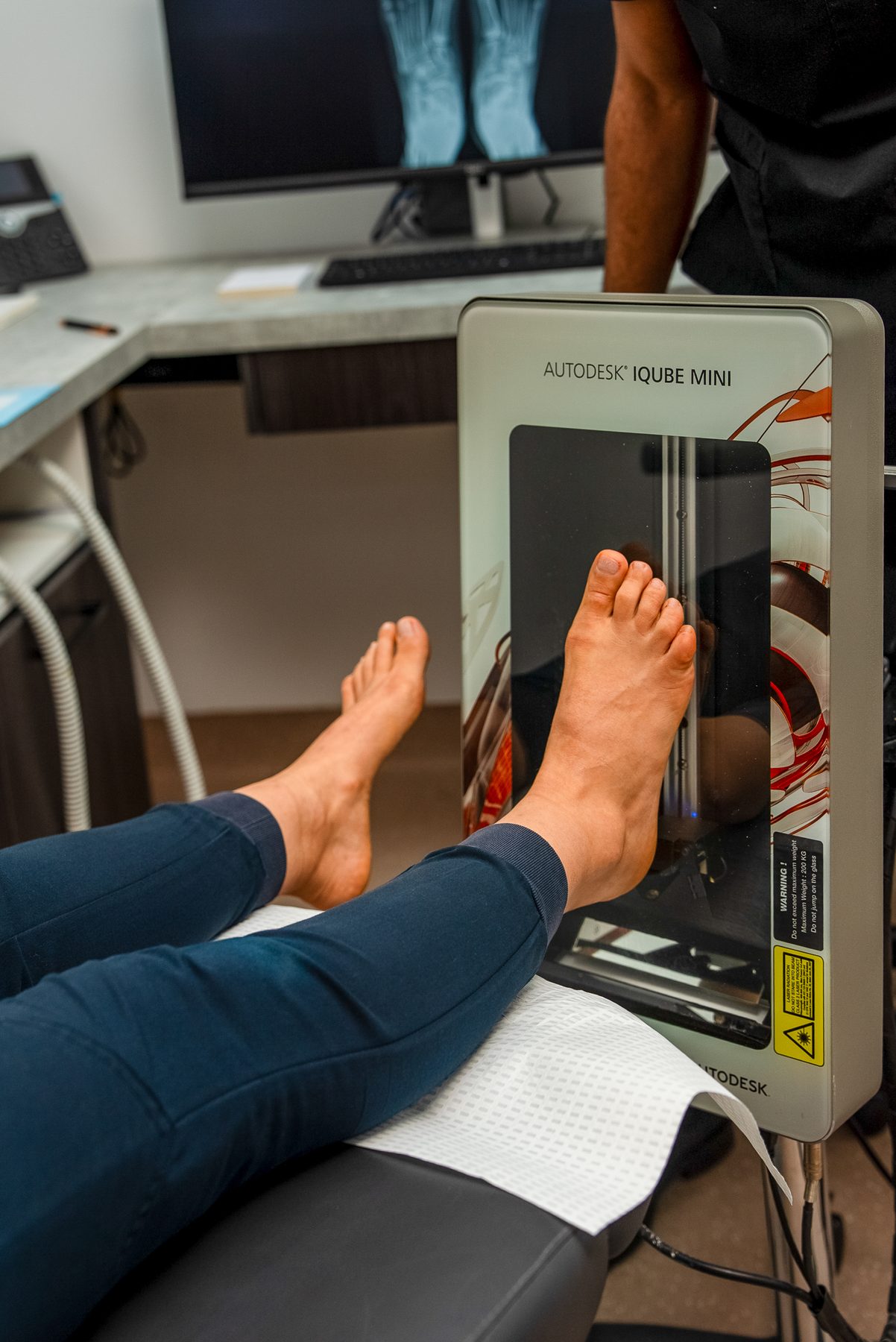
- Assess why it formed - footwear, foot shape or gait - and address that with advice or custom orthotics.
- Give you a simple home-care plan, including a daily moisturiser to keep skin supple.
Get lasting relief in Bexley
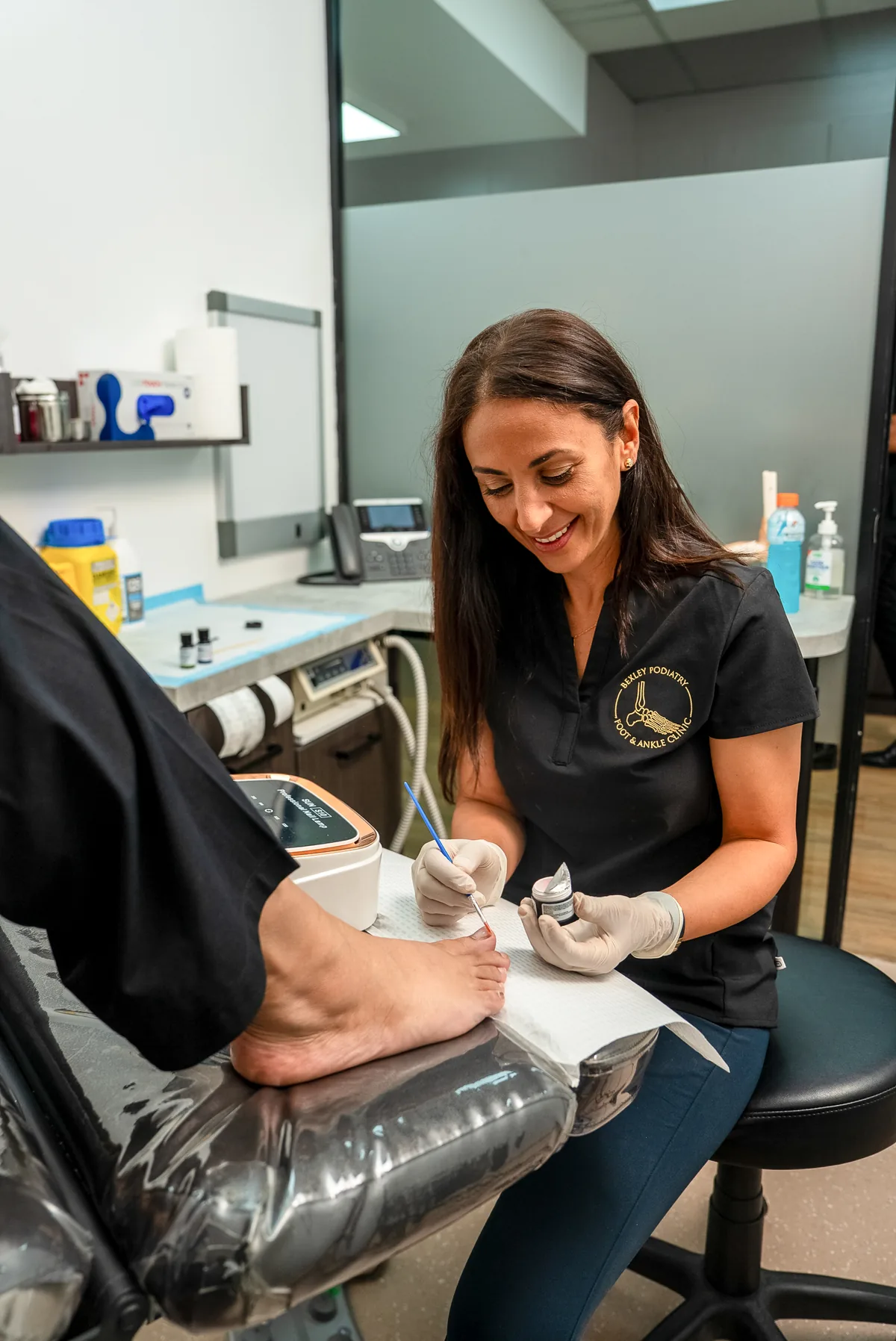
If a corn or callus is sore, recurring, or making your shoes uncomfortable, an assessment will get to the bottom of it. We see patients from Bexley, Kogarah, Arncliffe and across the St George area. Book an appointment online or call 1300 345 226.
Reviewed by Dr Hasan Hamad, BHSc, MPodMed. This article is general information, not a diagnosis - for advice about your own feet, book an assessment.
Frequently asked questions
Will a corn come back after treatment?
Only if the pressure that caused it isn't addressed. We reduce the hard skin for immediate relief, then offload the area and treat the underlying cause - footwear, foot shape or gait - so it's far less likely to return.
Can I use a corn plaster from the chemist?
We'd advise against it. Medicated corn pads contain acid that can damage the healthy skin around the corn, and they're dangerous for anyone with diabetes or poor circulation. Professional care is safer and more effective.
Is having a corn or callus removed painful?
No. Reducing hard skin and a corn is painless - most people feel instant relief and walk out comfortably.