
Cracked Heels: Causes, Treatment & When to See a Podiatrist
Heel fissures start as dry, rough skin and end up painful enough to stop you walking comfortably. Here is what actually causes them, what works at home, and when professional treatment is the faster route.
Quick answer
Cracked heels happen when dry, thickened skin on the heel loses its elasticity and splits under pressure. Mild cases respond well to consistent moisturising with a urea-based heel balm. Deep, painful or bleeding fissures need professional podiatric treatment, particularly if you have diabetes, where untreated cracks carry a real risk of serious infection. A single in-clinic debridement session followed by a simple daily routine can make a dramatic difference.
Cracked heels are one of those conditions people put up with for far too long. They start as a bit of roughness and dryness, easy to ignore. Then the skin thickens. Then it splits. By the time people make an appointment, many have been living with painful heel fissures for months, when the problem could have been resolved in a single session.
We see cracked heels constantly at Bexley Podiatry: Foot & Ankle Clinic, across Bexley, Rockdale and the wider St George area. They are extremely common and entirely treatable. The key is understanding what is driving them in your case, because the right fix depends on the root cause, not just moisturiser.
What are cracked heels, exactly?
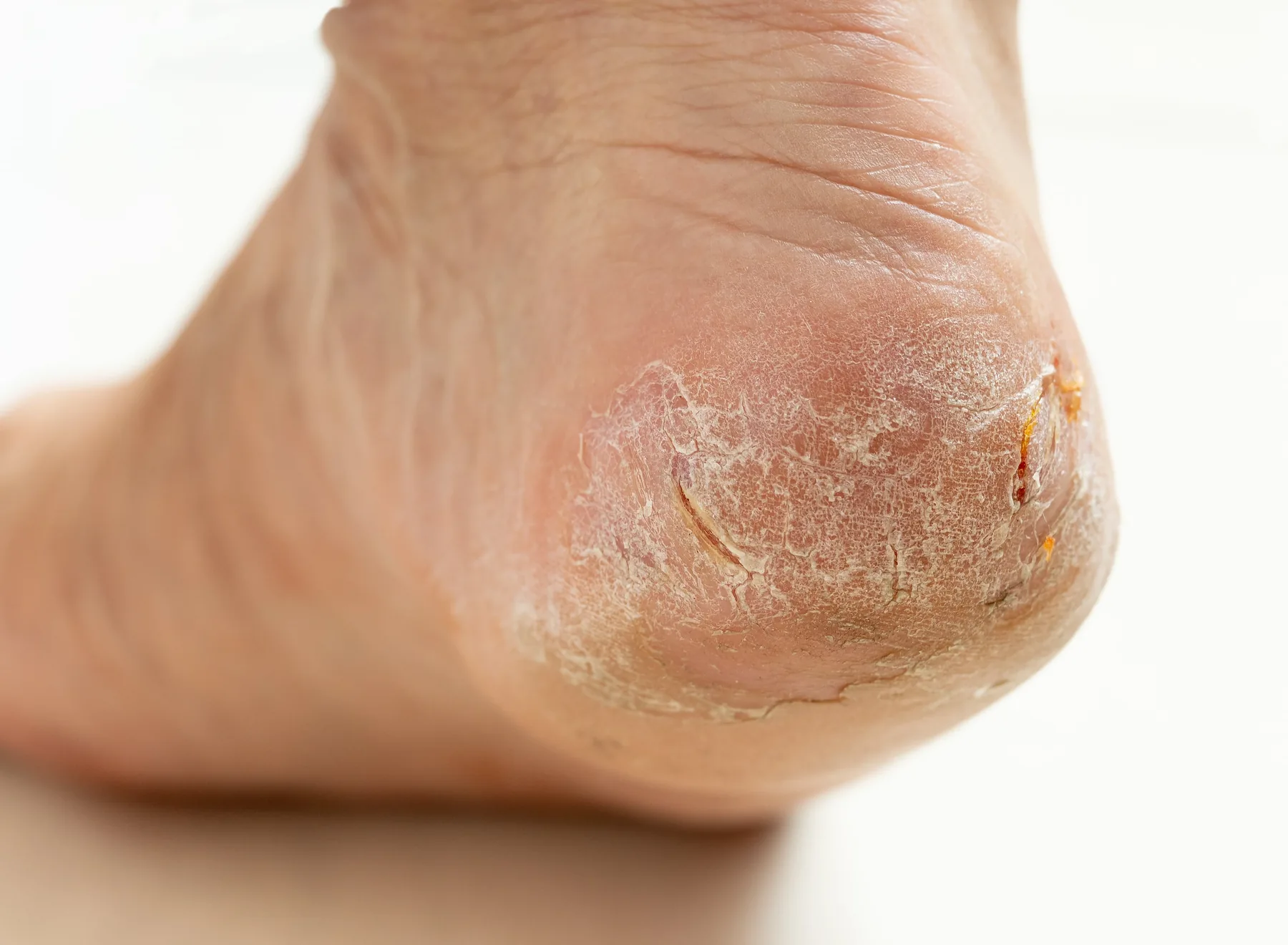
The medical term is heel fissures. They develop when the skin on the rim of the heel becomes dry and thickened, forming what is known as callus. Callus is relatively stiff and inelastic. Every step puts downward and outward pressure on the heel pad, and eventually that stiff skin can no longer flex with the movement. It cracks.
Those cracks can stay shallow, a cosmetic nuisance at the surface of the callus, or they can deepen through the full thickness of the dead skin layer and into the live, sensitive dermis below. That is when they become painful, bleed, and open the door to bacterial infection.
How severe your cracked heels are determines the approach to treating them:
- Stage 1, mild - dry, rough skin around the heel rim with possible surface-level cracking. Not painful, and usually responds well to consistent at-home moisturising.
- Stage 2, moderate - visible cracks in the callus that may cause discomfort when walking. Home care alone is often insufficient, and podiatric debridement accelerates recovery significantly.
- Stage 3, severe - cracks penetrate into living skin. Painful, may bleed, and carry infection risk. Professional treatment is required, and it is especially urgent if you have diabetes.
What causes cracked heels?
Cracked heels rarely have a single cause - they are usually the result of several factors working together. Understanding which apply to you is the first step to getting on top of the problem for good.
Dry skin and low moisture
The most universal contributing factor. When skin lacks adequate moisture it loses elasticity and cracks under mechanical stress. The heel has no oil glands, so it relies entirely on external moisturising and sweat glands to stay hydrated.
Open-backed footwear and bare feet
Thongs, slides, open-backed sandals and bare feet allow the heel fat pad to splay outward under load without lateral support. This mechanical spreading puts the skin under repeated tension and is one of the leading triggers, particularly through Australian summers.
Prolonged standing on hard surfaces
Long hours on concrete, tiles or hardwood floors concentrate pressure through the heel repeatedly. This builds callus, which then becomes susceptible to fissuring. Tradespeople, retail workers and healthcare staff are particularly affected.
Increased body weight
Higher body weight increases the downward force on the heel with every step. This accelerates callus formation and increases the outward splay of the heel fat pad, both of which prime the skin to crack.
Diabetes and circulation issues
Diabetes reduces the skin's ability to retain moisture and impairs circulation, making the heels particularly prone to dryness and slow healing. Even minor cracks carry elevated infection risk, so regular podiatric monitoring is essential.
Thyroid disease and nutritional deficiency
Hypothyroidism reduces sweat gland activity and compromises skin health. Deficiencies in zinc, omega-3 fatty acids and vitamins A, C and E can also impair the skin's ability to stay elastic and heal efficiently.
Skin conditions
Eczema, psoriasis and tinea all disrupt the skin barrier on the feet and accelerate drying and cracking. If an underlying skin condition is present and unaddressed, cracked heels will keep recurring regardless of how much you moisturise.
Genetics and foot type
Skin type is partly genetic. Some people build thick callus readily but rarely crack; others develop almost no callus but fissure badly with minimal provocation. A high-arched foot places more concentrated load through the heel, increasing callus formation in that area.
Important: cracked heels and diabetes
If you have diabetes and notice cracks forming on your heels, do not wait. Even a shallow crack that does not hurt can become a portal of entry for bacteria, and reduced sensation from diabetic neuropathy means you may not feel an infection developing until it is advanced. Book in promptly - we offer diabetic foot health assessments at the clinic.
What can I do at home for cracked heels?
For mild to moderate cracked heels without signs of infection or deep fissuring, a consistent home routine makes a real difference. The key word is consistent - sporadic moisturising produces sporadic results.
- Soak - 10 to 15 minutes in warm, not hot, water. This softens hardened callus and prepares the skin to absorb moisturiser more effectively.
- File gently - use a pumice stone or foot file on wet, softened skin with light strokes only, so moisturiser can penetrate rather than sit on the surface.
- Moisturise - apply a urea-based heel balm (15 to 25% urea) immediately after drying. Urea is a keratolytic: it breaks down dead skin and draws moisture into the tissue, far outperforming standard body lotion.
- Lock it in - put on cotton socks straight after applying the balm, especially overnight, to stop it evaporating and keep the skin in a moist environment.
- Repeat - at minimum twice daily, morning and before bed. Heel skin dries out quickly and once-a-day moisturising rarely keeps up with the rate of moisture loss.
A note on filing
Never use a razor blade, corn knife or any sharp implement on your own heels. Over-filing is also counterproductive - remove too much callus and the skin rebuilds it faster as a protective response. Light, regular filing beats an aggressive weekly attack. If you have deep cracks, skip filing altogether and see a podiatrist, because filing over open fissures risks further damage and infection.
When should you see a podiatrist?
Home care has its limits. If any of the following apply, professional treatment will get you better results faster - and in some cases home care alone can make things worse.
- The cracks are deep, painful or bleeding.
- There are signs of infection: redness, warmth, swelling or discharge around the heel.
- You have diabetes or poor circulation.
- You have been moisturising consistently for two weeks with no improvement.
- The callus is extremely thick, to the point where products cannot penetrate.
- The cracking keeps coming back despite regular home care.
- You have an underlying skin condition such as eczema, psoriasis or tinea that may be contributing.
How does a podiatrist treat cracked heels?
Podiatric treatment for cracked heels is not a pedicure. It is a clinical assessment and targeted intervention aimed at resolving the problem at its source, not just making the heels look better temporarily.
Mechanical debridement
Using specialised podiatric instruments, your podiatrist painlessly removes the hard, thickened callus built up around the heel. This is done precisely and safely, removing enough to allow proper moisture penetration and to close fissures without stripping protective skin. Most patients are surprised how comfortable it is and how immediate the relief feels.
Fissure sealing and dressing
For deep or bleeding cracks, a medical-grade sealant or dressing can close the fissure, protect it from contamination and let the skin heal from the inside out. Taping techniques can also hold cracked skin together under load, reducing pain when walking.
Prescription-strength emollients
Clinical-strength heel balms and emollient creams that are not available over the counter can be used where standard urea products have not worked. Your podiatrist will recommend the right product for your skin type and severity.
Assessment and treatment of underlying causes
If a skin condition such as tinea or psoriasis is contributing, it needs to be addressed directly, otherwise the cracking keeps returning. Our podiatrists can assess for fungal skin infections and treat them in clinic, or refer on where systemic treatment is required.
Footwear and padding advice
We assess your current footwear and advise on changes that reduce heel splay and protect the skin. Heel cups or cushioning devices reduce the mechanical spreading of the heel fat pad that contributes to fissuring - a simple addition that makes a significant difference for many patients.
Custom orthotics where indicated
If your foot biomechanics are driving callus formation, such as a high arch concentrating load through the heel, custom orthotics redistribute pressure more evenly. This addresses the mechanical root cause rather than just treating the skin on the surface.
Diabetic foot assessment
For patients with diabetes, a cracked heel appointment also includes a vascular and neurological screen as part of a diabetic foot assessment, checking the circulation and sensation that determine how closely the feet need monitoring and how urgently any break in skin integrity must be managed.
How do you prevent cracked heels coming back?
Once treated, the goal is maintaining healthy heel skin long term. It does not take much - consistency beats intensity every time.
- Moisturise daily without exception. A urea-based heel balm every evening takes under a minute and keeps callus from building to the point of cracking. Most people stop when the heels look good, and then the cycle starts again.
- Limit open-backed footwear. Thongs and slides are fine in moderation, but as your primary shoe they cause constant heel splay. Alternate with enclosed, supportive footwear.
- Wear shoes with a supportive heel counter. A firm back to the shoe prevents the heel pad splaying and reduces the tension that drives fissuring.
- Stay on top of callus before it builds up. Regular light filing keeps it manageable. Book a general footcare appointment every 6 to 8 weeks if you are prone to heavy callus.
- Hydrate from within. Adequate water and a diet with sufficient omega-3s, zinc and vitamins A and C supports skin elasticity and healing.
- Address footwear for your job. If you stand on hard surfaces all day, invest in appropriate insoles and anti-fatigue matting where possible.
Get your heels sorted properly
Stop putting up with rough, cracked or painful heels. Our podiatrists at Bexley Podiatry: Foot & Ankle Clinic, 390 Forest Rd, Bexley NSW 2207, will assess what is driving the problem and get you comfortable again. We are a bulk-billing practice for eligible patients and pensioners on a primary care plan. Book online to get started.
Related on our site
Reviewed by Dr Hasan Hamad, BHSc, MPodMed. This article is general information, not a diagnosis - for advice about your own feet, book an assessment.
Frequently asked questions
What causes cracked heels?
Cracked heels develop when dry, thickened skin on the heel loses its elasticity and splits under the pressure of walking. Contributing factors include open-backed footwear, prolonged standing on hard surfaces, elevated body weight, dry skin, and underlying conditions such as diabetes, thyroid disease, eczema or psoriasis. In many cases it is a combination rather than a single cause.
Are cracked heels a sign of something serious?
In most healthy adults, cracked heels are a mechanical and skin hydration issue rather than a sign of serious illness. However, persistent cracking that does not respond to standard moisturising, particularly alongside other symptoms, can point to hypothyroidism, a nutritional deficiency or a skin disorder. A podiatrist can assess whether further investigation is needed.
Can I treat cracked heels at home?
Yes, for mild to moderate cases. Soak, file gently, apply a urea-based heel balm of 15% or higher, cover with cotton socks and repeat at least twice daily. The most common reason home care fails is inconsistency. If the cracks are deep, painful or bleeding, or if you have diabetes, see a podiatrist rather than managing it yourself.
What is the best cream for cracked heels?
Look for a heel balm with at least 15% urea, which both exfoliates dead skin and draws moisture into the tissue. It significantly outperforms standard body moisturisers. Apply to slightly damp skin after showering, then put on cotton socks. For severe cases a podiatrist can provide clinical-strength formulations not available over the counter.
When should I see a podiatrist for cracked heels?
Book an appointment if the cracks are painful, bleeding or showing signs of infection; if you have diabetes or poor circulation; if consistent home care over two weeks has produced no improvement; or if the callus is so thick that creams cannot penetrate. A single in-clinic session often produces dramatic improvement that months of home care could not achieve.
Can cracked heels be permanently fixed?
With the right combination of professional debridement, appropriate products and addressing the underlying cause, yes for many patients. The key is understanding what is driving callus formation in your case and building a maintenance routine. People prone to heavy callus will always need to stay on top of moisturising, but deep painful fissures do not have to be a recurring reality.
Are cracked heels dangerous for people with diabetes?
Yes, and it is not a risk to take lightly. Diabetic peripheral neuropathy reduces sensation in the feet, so infections that would cause immediate pain in a healthy person can go unnoticed until well advanced. Reduced circulation then slows healing. A small heel crack can progress to a serious soft tissue infection far faster than in a non-diabetic patient, so get your heels assessed rather than waiting for pain.
Does Bexley Podiatry treat cracked heels?
Yes. We see and treat cracked heels regularly at our Bexley clinic. Our podiatrists remove the thickened callus, assess for underlying contributing factors and build a maintenance plan to keep your heels healthy. We are also a bulk-billing practice for eligible patients and pensioners on a primary care plan.